
Sleep testing sounds simple until you realise there are several formats, each with different costs, waiting times and levels of detail. If you live in Sydney and your doctor has mentioned a sleep test, the first question is rarely what the test measures. It is usually which version you should be having. This guide breaks down the choices in plain language so you can walk into the appointment informed.
Why sleep testing matters
Sleep testing Sydney is how clinicians confirm or rule out sleep disorders, most commonly obstructive sleep apnoea. Without testing, doctors are guessing based on symptoms, and symptoms like snoring, fatigue and headaches overlap with plenty of other conditions. Sleep testing turns a suspicion into measurable data about your breathing, oxygen levels, heart rhythm and sleep stages.
The healthdirect overview of obstructive sleep apnoea notes that doctors often use an overnight study when they need a clear diagnosis, and that some people are suitable for a home version.
In-lab sleep testing
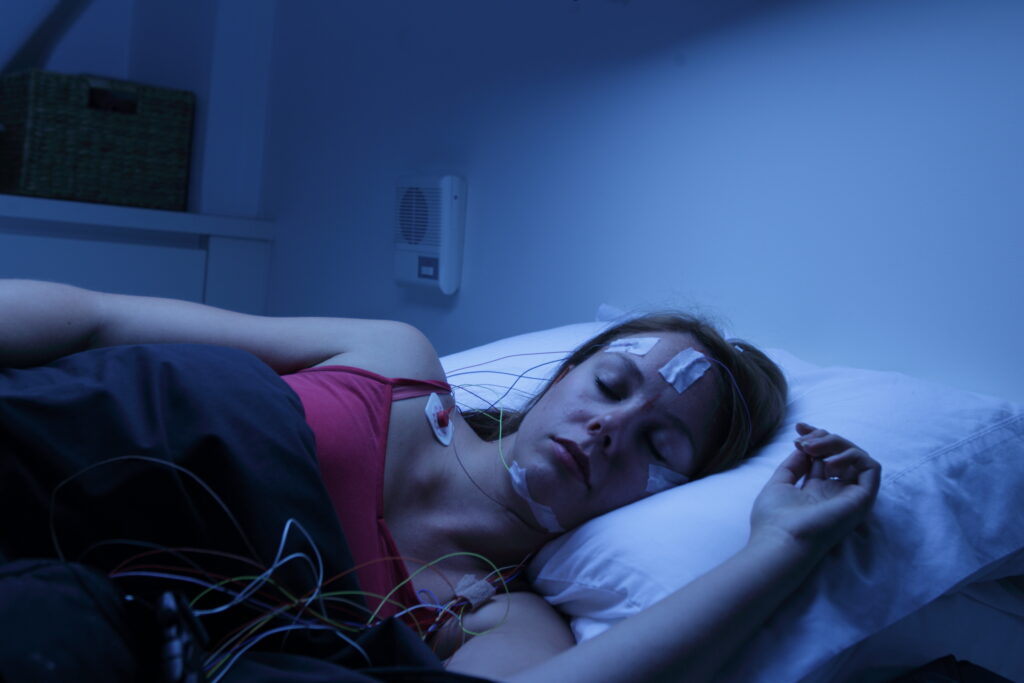
An in-lab test, also known as polysomnography, is the most comprehensive option. You sleep at a clinic or hospital while a technician monitors brain waves, eye movements, muscle tone, breathing effort, airflow, oxygen saturation, heart rhythm and leg movements. There is also usually video recording in case of unusual behaviour during sleep.
In-lab testing suits people with complex medical histories, suspected conditions beyond sleep apnoea, heart or lung disease, or those who may need CPAP titration on the same night. Waiting lists in some Sydney public services can be long, so private clinics are often quicker, though usually more expensive.
Home sleep testing
A home sleep test uses a small recorder and a few sensors you wear overnight in your own bed. Usually that means airflow measurement, breathing effort belts and a finger oximeter. You receive a briefing on setup, sleep with the device, then return it for analysis.
Home testing is convenient and generally cheaper. It works best for adults with a high pre-test probability of moderate to severe obstructive sleep apnoea and no major comorbidities. It is less suitable if your clinician suspects central sleep apnoea, other sleep disorders or significant lung disease.
What the research says
Home testing has matured considerably. A 2025 review from Flinders University describes how home sleep apnoea testing is now commonly used in most clinical sleep centres globally, while also discussing its limits and the emerging technologies that may improve it. That balance matters: home testing is valid for many people, but not every patient.
How to choose
Ask your GP or sleep physician three questions. Do I need an in-lab study or is home testing appropriate for me? What will the report include? Who will explain the results to me? If you have heart failure, opioid use, significant lung disease or frequent night-time seizures, lean toward an in-lab test unless your specialist says otherwise.
Also ask about referral requirements. Some Medicare-eligible services need a referral from a specialist, while others accept a GP referral directly. Clarify this before you book, because it affects out-of-pocket costs.
Preparing for either test
For both formats, keep your normal routine. Avoid caffeine on the day, take regular medications, and bring your CPAP or any other equipment you already use. For a home test, read the instructions twice and set up the device before the evening, not while you are trying to fall asleep. Good skin prep helps the sensors stay on.
Sydney-specific tips
When you search for providers, look for accreditation, clear pricing, a named sleep physician or accredited scorer, and a reporting timeline. Ask whether results go straight to your GP. Sydney has plenty of options across the CBD, the North Shore, the Inner West and Western Sydney, so choose a location that minimises travel on your test night and your follow-up appointment.
Which test is more accurate?
Accuracy depends on what you are testing for. In-lab polysomnography captures the widest range of signals, so it is the reference standard for complex cases. Home testing is validated for adults with a high likelihood of obstructive sleep apnoea, and it gives good results when the setup is done correctly. The trade-off is simple: an in-lab study sees more, while a home test is more comfortable and often more accessible. Neither is better in every situation, which is why your clinician’s recommendation should carry the most weight.
What to ask before you book a sleep testing service
Start with the basics: is the test accredited, who scores the recording, and how long will the report take? Then ask about the cost of a repeat test, whether a sleep physician reviews the results, and how the report reaches your GP. A reputable Sydney provider will answer these questions without hesitation. If the answers are vague, look elsewhere. Your sleep is too important to leave to a company that cannot explain its own process.
Planning around work and family
Sleep testing can be disruptive if you have shift work, young children or a long commute. In-lab studies require an overnight absence, so check whether the clinic offers a late-evening arrival and a morning departure that fit your routine. Home tests let you stay in your own bed, but you still need to set up the device before bedtime. Build a short checklist the day before, including charging any devices and confirming the return method. That small step prevents most of the stress.
What happens if the result is borderline
Some people get a result close to the threshold for mild or moderate sleep apnoea. In that case, your doctor will look at your symptoms, weight, blood pressure and sleep habits before deciding on treatment. A borderline result is not a dead end. It often means lifestyle changes, a repeat study or a short trial of treatment to see how you respond.
The takeaway
Sleep testing is not one-size-fits-all. In-lab testing offers depth, home testing offers convenience, and your clinical picture decides which is right. Get clarity on the format, cost and reporting before you book, and you will avoid most of the stress that comes with the process.