

Choosing a CPAP mask is rarely about brand hype. It is about whether they can sleep through the night, keep a good seal, and wake up without pain or leaks. In Australia, where CPAP is commonly sourced through local sleep clinics, pharmacies, and online CPAP retailers, the gap between the best CPAP masks and average ones shows up fast in comfort, compliance, and results.
This guide breaks down what separates the best CPAP masks from masks that look fine on paper but fail at 2 am.
What do the best CPAP masks get right first: comfort or seal?
They get both right, but they prioritise a stable seal that still feels gentle. The top CPAP masks hold pressure without needing to be overtightened, which is where many average masks fall apart.
Average masks often seal only when straps are cranked down. That can cause pressure marks, jaw soreness, and headaches. Better designs use cushion geometry and frame stability so the seal stays consistent with normal movement.
Why do average masks leak more during side sleeping?
They leak because their cushion and frame do not manage shifting facial pressure. Side sleepers in particular need a mask that can flex and reseal without collapsing.
The best CPAP masks tend to have cushions that maintain shape when a pillow presses the mask sideways. Average masks may distort, lifting at the nose bridge or mouth corners. For Australians using higher pressures, even a small lift can turn into loud, sleep-breaking leaks.
How do the best CPAP masks handle different face shapes?
They offer better sizing logic and more adaptable fit points. The best CPAP masks usually come in multiple cushion sizes and sometimes multiple frame sizes, which reduces “close enough” fitting.
Average masks can have fewer size options, which forces compromise. In practice, that means either leaks (too large) or soreness and restricted breathing (too small). Many Australian providers will fit-test a few sizes; that process is often where premium masks justify their cost.
What makes the cushion design of the best CPAP masks different?
They use materials and shapes that seal with minimal pressure. The best CPAP masks typically use dual-wall cushions, adaptive silicone, or memory-style designs that spread contact evenly.
Average cushions can feel stiff or overly soft without structure. Stiff cushions dig into the skin, while overly soft cushions can fold and leak. Better cushions also manage micro-movements from talking, swallowing, or repositioning.
Do the best CPAP masks reduce skin irritation and pressure marks?
Yes, mainly because they seal without aggressive strap tension. The best CPAP masks reduce hotspots on the nasal bridge, cheeks, and upper lip by distributing pressure and using smoother contact surfaces.
Average masks often create a cycle: they leak, straps get tightened, then irritation worsens. In Australian summers, humidity and sweat can make this worse, so masks with stable seals at lower tension tend to be more skin-friendly.
Why do some masks feel noisy even when they are not leaking?
Noise is often about venting design, not just leaks. The best CPAP masks diffuse exhalation quietly and direct airflow away from the bed partner.
Average masks may vent in a more concentrated stream, creating a hiss or blowing air onto someone nearby. For couples, this is one of the most practical differences. A quiet vent can matter as much as comfort when they are trying to stick with therapy.
How do the best CPAP masks improve therapy consistency?
They reduce the small annoyances that cause mask removal at night. The best CPAP masks tend to stay sealed when they roll over, breathe through the nose or mouth, or change sleep position.
Average masks can work for short periods but become frustrating over weeks. In Australia, many CPAP suppliers mention compliance because it affects outcomes and long-term health. A mask that is easier to tolerate usually leads to more consistent nightly use.
Are the best CPAP masks easier to clean and maintain?
Usually, yes. The best CPAP masks tend to have fewer fiddly parts, clearer assembly, and cushions that rinse clean without trapping residue.
Average masks can have complex clips, narrow crevices, or foam components that hold oils. That matters because facial oils and sunscreen can degrade seal quality. Australians who wear heavier SPF daily often find cushions lose grip faster, so easy cleaning becomes part of performance.

What is the difference in headgear quality between best and average masks?
Better headgear holds tension evenly and stays comfortable over time. The best CPAP masks use straps that resist stretching and have soft-touch sections where they contact the face.
Average headgear may loosen quickly or create pressure lines. When headgear stretches, they tighten it more, which worsens comfort. Higher-end headgear also tends to stay stable when they move, so they do not wake up to reseat the mask.
Do the best CPAP masks work better for mouth breathers?
They can, depending on mask type and design. Full face masks and hybrid masks often suit mouth breathers, but the key difference is how reliably they seal along the chin and mouth corners.
Average full face masks may leak when the jaw drops during deep sleep. The best CPAP masks often include cushion shapes that accommodate jaw movement, or frames that stabilise the lower seal zone without cutting into the skin.
How do the best CPAP masks suit people with facial hair?
They typically seal more consistently because their cushions are designed to tolerate minor surface disruption. Facial hair can break seals, especially around the upper lip and chin.
Average masks may require frequent readjustment. The best CPAP masks often pair better with mask liners or allow a lighter strap tension so they can find a workable seal without discomfort. Many Australians with beards end up trialling several cushions before they find a dependable option.
See Also : Common Questions About EverFlo Concentrator Noise and Power Use
What is the real difference in “fit range” across the best CPAP masks?
Fit range is how well a mask works across many small variations in anatomy and sleeping habits. The best CPAP masks tend to be forgiving, which means fewer “perfect position” requirements.
Average masks may work only when placed just right. If they bump the pillow or yawn, the seal fails. A forgiving mask is one they can put on half-asleep and still trust to hold.
Are premium masks always the best CPAP masks?
No, price does not guarantee performance for a specific person. The best CPAP masks are the ones that match their breathing style, sleep position, pressure settings, and comfort needs.
In Australia, many suppliers offer mask trial programs or exchange periods. That is often more valuable than guessing based on price. A mid-range mask that fits correctly can outperform an expensive one that does not match their face.
How should they choose between nasal, pillows, and full face styles?
They should choose based on how they breathe and what they can tolerate. Nasal and pillows suits those who breathe through the nose and want a lighter feel, while full face suits mouth breathing or frequent congestion.
The best CPAP masks within each category are the ones that keep a stable seal with minimal pressure. A great nasal pillows mask still fails if they are congested most nights, just as a great full face mask fails if they cannot tolerate bulk on their face.
What role does CPAP pressure play in mask performance?
Higher pressures amplify small design weaknesses. At higher pressures, a cushion that is slightly unstable can flutter, leak, or feel noisy.
The best CPAP masks remain stable when pressure ramps up and when they change position. Australians using auto-adjusting CPAP may notice leaks only when pressure increases during REM sleep. That is a common time when average masks get exposed.
Do the best CPAP masks make it easier to wear glasses and read in bed?
Often, yes, particularly low-profile nasal and pillows designs. The frame shape and forehead support design matter here.
Average masks can block the line of sight or press into the nose bridge in a way that makes glasses sit awkwardly. The best CPAP masks that support bedtime reading tend to avoid bulky forehead bars and keep the frame clear of the eyes.
How can they tell if a mask is “average” after a week of use?
They will see repeating issues: nightly leaks, sore spots, waking to adjust the seal, or taking the mask off unconsciously. Those patterns usually show that fit or design is not matching their needs.
With the best CPAP masks, problems still happen during the adjustment period, but they improve quickly with minor tweaks. Average masks often require constant workarounds like overtightening or adding extra padding.
What should they look for when buying in Australia?
They should look for local support, genuine parts, and a clear returns or exchange policy. Australian buyers should also check whether replacement cushions and headgear are easy to source and whether the mask is compatible with their CPAP tubing setup.
The best CPAP masks are not only comfortable but also practical to keep running. If replacements are expensive or hard to find locally, performance can drop when they delay swapping worn cushions.
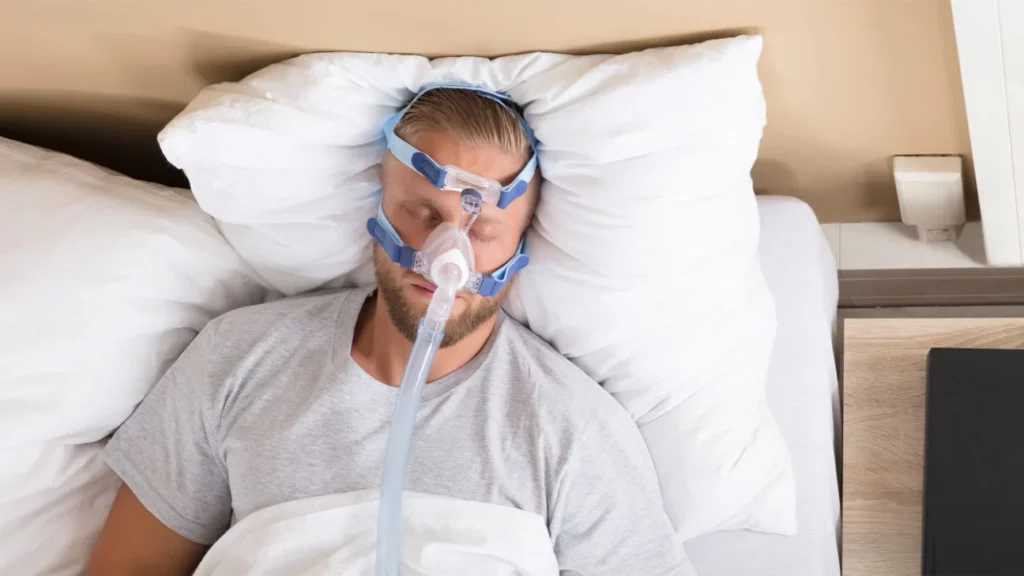
How do they test a mask properly before committing?
They should test it at their usual sleep pressure, in their usual sleep position, for multiple nights. A quick try-on while sitting upright can be misleading.
If they can, they should simulate side sleeping and gentle jaw drop, and they should check leak data in their machine’s app or display. The best CPAP masks tend to perform consistently across these real-world conditions, not just during a brief fitting.
What is the simplest way to summarise the difference?
The best CPAP masks disappear into the background, while average masks demand attention. They should not have to fight their gear to get therapy.
When they choose a mask that seals comfortably, vents quietly, and stays stable through movement, therapy becomes easier to maintain. That is the practical edge that separates the best CPAP masks from the rest.
Other Resources : The management, privacy and medico-legal issues of electronic CPAP data in Australia and New Zealand: Electronic CPAP data management in Australia and New Zealand