

People across Australia often ask two practical things before choosing a home oxygen device: how loud it is and what it costs to run. This guide answers the most common questions about EverFlo concentrator noise and power use, using clear, everyday comparisons that make sense in typical Aussie homes.
How noisy is the EverFlo concentrator in a typical Australian home?
Most people find the everflo oxygen device steady rather than startling, with a consistent hum that fades into the background over time. In real-life use, EverFlo concentrator noise and power use concerns usually start with noise, but the sound is often comparable to a small fan or an air purifier on low.
Noise can feel louder in a quiet bedroom at night than in a living area. They should expect some compressor sound because that is how oxygen concentrators work.
What does the EverFlo concentrator sound like at night?
At night, the same sound can seem more noticeable because the house is quieter and they are more alert to it. For many users, EverFlo concentrator noise and power use questions at bedtime come down to placement and routine rather than the device being “too loud.”
If they are sensitive to noise, a short settling-in period is common. A consistent hum is usually easier to adapt to than an irregular rattle, which may suggest the unit needs checking.
Is EverFlo concentrator noise and power use affected by the flow rate?
Noise is generally driven by the compressor and airflow, so higher flow can sometimes sound a touch more forceful, but it should not suddenly become harsh. When people ask whether EverFlo concentrator noise and power use changes with flow, the power draw may increase slightly with workload, but it is typically fairly stable in normal home settings.
They should follow the prescribed flow rate and not adjust it just to chase quieter operation. Comfort and clinical needs come first.
What causes a concentrator to sound louder than usual?
A concentrator may seem louder if airflow is restricted, the intake filter is dusty, or the unit is too close to a wall or soft furnishings. Many EverFlo concentrator noise and power use complaints are traced back to simple setup issues rather than a true fault.
If the sound changes suddenly, becomes metallic, or includes clicking or grinding, they should treat it as abnormal. In Australia, the safest next step is contacting the equipment provider or service agent rather than attempting internal repairs.
Where should they place the EverFlo to reduce perceived noise?
They should place it on a hard, level surface with plenty of space around the air intake and exhaust. For households comparing EverFlo concentrator noise and power use, smart placement is one of the easiest wins.
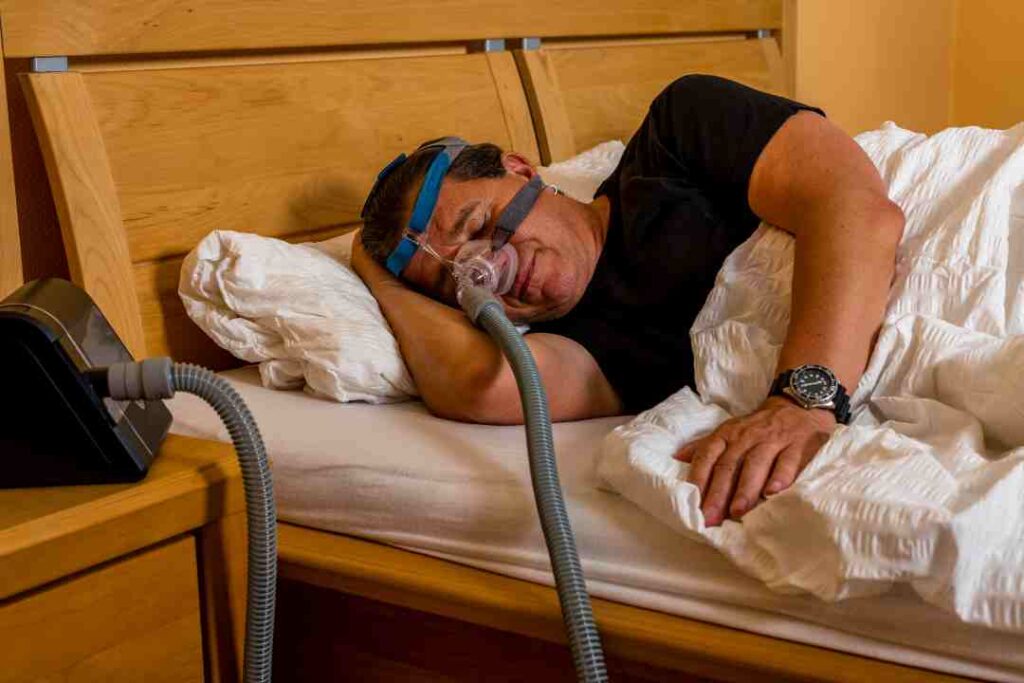
A common approach is to keep it a short distance from the bed, with the cannula tubing routed safely to avoid trip hazards. They should avoid wardrobes, tight corners, and thick carpet if it blocks ventilation.
Can they use mats or furniture to “soundproof” the concentrator?
They can reduce vibration with an appropriate firm mat, but they should not enclose the unit or block vents. People trying to improve EverFlo concentrator noise and power use outcomes sometimes overdo soundproofing and accidentally restrict airflow, which can increase heat and strain.
If they want a mat, it should be thin, stable, and not fluffy. Anything that causes the unit to wobble or sink can make vibration worse, not better.

How much electricity does an EverFlo concentrator use in Australia?
Power use varies by model condition and operating settings, but concentrators are often similar to running a small household appliance for long hours. When Australians research EverFlo concentrator noise and power use, the key is translating watts into a daily cost based on their local electricity rate.
To estimate cost, they can multiply the device’s power (in kW) by hours used, then multiply by their cents-per-kWh tariff. Their retailer and state can make a noticeable difference.
How can they estimate the daily running cost from their electricity bill?
They can take the unit’s wattage from the label or manual, convert to kilowatts, then apply their usage time. This is the practical core of most EverFlo concentrator noise and power use budgeting questions.
Example method:
- If the unit is 350 W, that is 0.35 kW.
- If they use it 16 hours per day, that is 0.35 × 16 = 5.6 kWh/day.
- If their rate is 30 cents/kWh, cost is about $1.68/day.
They should use their actual tariff for accuracy, especially if they have time-of-use pricing.
Does EverFlo concentrator noise and power use change if it runs 24/7?
Yes, total electricity cost scales with hours used, so 24/7 use will cost more than overnight-only use. People focusing on EverFlo concentrator noise and power use sometimes overlook that the biggest driver of cost is simply runtime.
If they are prescribed continuous oxygen, they should plan for ongoing power consumption and consider discussing concessions or support options. In Australia, some households may be eligible for energy rebates or medical cooling and heating concessions depending on the state and circumstances.
Can a power board or extension lead affect performance or safety?
They should use safe, high-quality power boards and avoid overloading circuits, but the concentrator should ideally be plugged directly into a wall outlet where possible. For EverFlo concentrator noise and power use, electrical safety matters because long runtimes can expose weak connections.
If they must use an extension lead, it should be heavy-duty and fully uncoiled to prevent heat build-up. They should keep cords away from walkways and ensure the plug is snug, not loose.
Other Resources : Electric shocks and burns
Will solar panels reduce the cost of running an oxygen concentrator?
Solar can reduce grid usage during daylight, so it may lower overall running costs if the concentrator is operating while solar is generating. Australians weighing EverFlo concentrator noise and power use sometimes find that daytime use aligns well with solar production.
However, if they use oxygen mostly overnight, solar helps less unless they also have a battery. Their best approach is checking their typical use hours against their solar generation profile.
Does EverFlo concentrator noise and power use increase as the unit ages?
It can. Over time, filters, internal wear, and general dust exposure may affect airflow and efficiency, and that can influence sound and performance. When providers discuss EverFlo concentrator noise and power use, they often emphasise routine maintenance because it keeps operation stable.
They should stick to the service schedule advised by their supplier. Regular checks help catch early signs like increasing vibration, hotter exhaust air, or unusual noises.
What maintenance steps can help keep the concentrator quieter?
Keeping filters clean and ensuring good ventilation are usually the biggest factors. Many EverFlo concentrator noise and power use issues improve when they do simple housekeeping consistently.
Helpful habits include:
- Keeping the intake area dust-free, especially in homes with pets.
- Leaving adequate clearance around the unit.
- Checking that the unit sits level and does not rock.
- Reporting new rattles early.
They should only follow cleaning steps approved in the manual or by the Australian supplier, particularly for infection control and warranty reasons.
Should they worry about heat if the concentrator runs for long periods?
Some warmth is normal, but excessive heat can signal restricted airflow or an unsuitable location. People comparing EverFlo concentrator noise and power use sometimes notice heat first, especially in smaller rooms during summer.
They should keep the unit away from heaters, direct sun through windows, and tightly enclosed spaces. If the room is hot, improving general ventilation can help both comfort and equipment operation.
What backup plan should Australians have for power outages?
They should plan for outages because concentrators rely on mains power. This is a crucial part of EverFlo concentrator noise and power use planning in Australia, especially in storm seasons or regional areas where outages can last longer.
Common backup options include:
- A filled oxygen cylinder for emergencies (as advised by the clinician).
- A written plan with contact numbers for the supplier and local support.
- Notifying their electricity distributor if they qualify for life support registration.
They should also confirm whether their household is registered for medical priority restoration where available.
Can they run an EverFlo concentrator from a generator?
Sometimes, yes, but it depends on generator quality and stable output. For people managing EverFlo concentrator noise and power use in rural Australia, a generator can be part of a broader outage plan.
They should confirm requirements with the supplier and ensure the generator produces clean, stable power. They should never run a generator indoors or in enclosed areas due to carbon monoxide risk.
When should they contact their Australian equipment provider about noise or power concerns?
They should contact the provider if the sound changes suddenly, the unit vibrates more than usual, alarms occur, or oxygen delivery seems inconsistent. In many cases, EverFlo concentrator noise and power use complaints are resolved through inspection, filter replacement, or servicing.
They should also ask for guidance if power costs become unexpectedly high, as it may indicate longer runtime than realised or an electrical issue in the home. If clinical needs change, they should speak with their GP or respiratory specialist before changing settings.
Related : Key Differences Between the Best CPAP Masks and Average Ones