
If you have been told you need a sleep study, you are probably wondering what happens to you while you are asleep. For most Sydney residents, the process is less dramatic than it sounds. A sleep study is simply a monitored night of sleep, designed to record what your body does when you are unconscious and to spot patterns that daytime checks cannot catch.
Why a sleep study gets ordered
Your GP usually recommends a Sleep Study Sydney after a conversation about symptoms. Loud snoring, gasping at night, waking unrefreshed, and falling asleep during the day are the classic signs. Your partner may also notice pauses in your breathing. Those observations matter, because a sleep study is not a test you take to satisfy curiosity. It is a diagnostic tool that tells your doctor whether breathing problems during sleep are the reason you feel exhausted.
In Sydney, many people are referred because of work pressure, shift patterns, or long commutes that squeeze sleep into the margins. A sleep study can rule out certain causes of fatigue and point you toward treatment that actually works.
What happens during the test
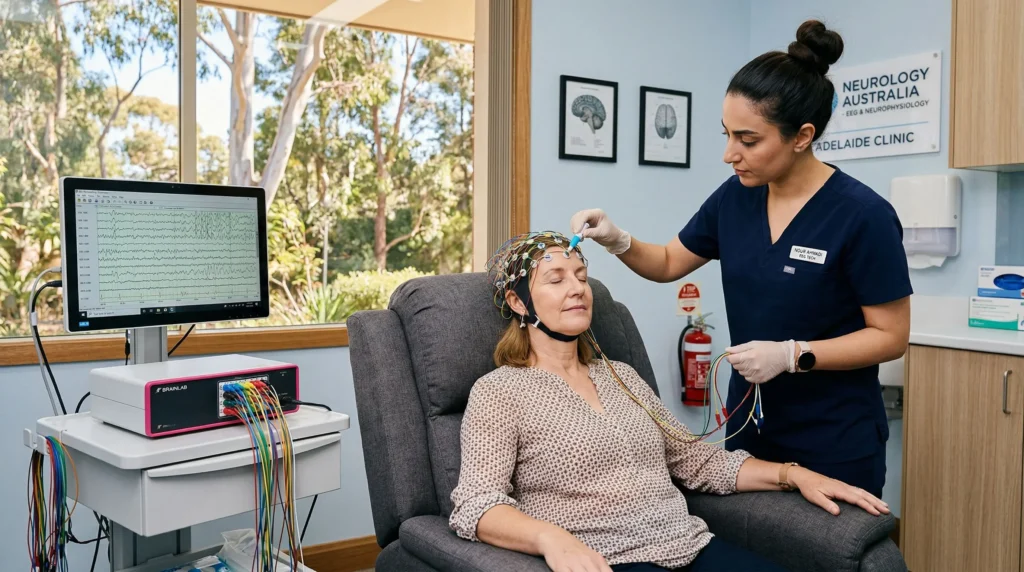
There are two broad options. An in-lab sleep study, sometimes called polysomnography, takes place at a sleep clinic or hospital facility. You arrive in the evening, a technician attaches sensors to your scalp, face, chest, legs and finger, and you sleep in a private room while the equipment records brain activity, breathing, oxygen levels, heart rhythm and movement.
The other option is a home sleep test. The device is simpler, usually a small recorder and a few sensors that you apply yourself after a short briefing. Home testing suits many adults with a high likelihood of obstructive sleep apnoea, but it does not capture everything an in-lab study does. Your clinician will tell you which one fits your situation.
The healthdirect guide to obstructive sleep apnoea explains that an overnight study monitors breathing, oxygen levels and sleep patterns, which is exactly what the technician is watching for.
How to prepare
Preparation is mostly common sense. Keep your usual routine, take regular medications unless your doctor says otherwise, and avoid caffeine on the day. Bring pyjamas, any CPAP equipment you already own, and a list of your medications. Showering before you arrive helps, because the sensors need clean skin to stick properly. Skip heavy creams on your face, neck and chest.
Many people worry they will not sleep in an unfamiliar room. That is normal. Technicians see it constantly, and most patients sleep more than they expect once the sensors are on. A rough night still produces usable data.
Understanding your results
The report usually arrives within a couple of weeks. The headline number is the apnoea-hypopnoea index, which counts how many breathing events happen per hour of sleep. Mild, moderate and severe categories help your doctor decide on next steps. Oxygen desaturation levels and sleep stage breakdowns add context.
Do not panic over a single number. Your doctor will read the report alongside your symptoms, weight, blood pressure and medical history. An abnormal result is a starting point for treatment, not a verdict on your health.
Costs and access in Sydney
Costs vary between clinics, referral type and whether Medicare rebates apply. Ask the clinic for a clear quote before you book, including whether scoring and reporting are included. Some providers offer bulk-billed options for eligible patients, so it is worth asking directly.

What comes after the test
If the study confirms sleep apnoea, options include CPAP therapy, oral appliances fitted by a dentist, positional strategies and, in some cases, surgery. Lifestyle changes such as weight management, reducing alcohol before bed and quitting smoking can also make a measurable difference.
The Flinders University research on multi-night sleep measurement shows that sleep testing methods are evolving, with more options for monitoring treatment over time. That is good news for Sydney patients who need follow-up.
How long does a sleep study take?
An in-lab study usually runs from the evening until morning, so plan for roughly ten hours at the clinic once you include setup and pack-down. Most Sydney clinics ask you to arrive around 7 or 8 pm, which gives the technician time to attach sensors and check the equipment before you settle in. A home study is different. Setup takes about 20 to 30 minutes in your own bedroom, and you return the device the next morning, usually by courier or to a drop point.
Will I be able to sleep with all those sensors?
This is the question almost everyone asks. Most people sleep reasonably well, although the first night is often lighter than normal. The sensors are designed to be comfortable, and the leads are long enough to let you roll over. If you usually sleep on your side or stomach, tell the technician so they can plan the placement. Bring your own pillow if it helps, and wear loose clothing you can sleep in comfortably.
What if the study needs repeating?
Sometimes a recording is incomplete because a sensor slipped or the device was not switched on. Good providers will tell you quickly and explain whether a repeat is needed. Ask about the repeat policy before you book, because a second night can change the cost. A clean first recording is the goal, which is why the preparation steps above matter so much.
Why the test matters for everyday life
A sleep study is not just a medical formality. Once sleep apnoea is identified and treated, many people report better concentration, fewer morning headaches and a noticeable drop in daytime sleepiness. That payoff is the real reason to take the test seriously, especially if you drive for work or juggle a busy Sydney schedule. Treat the study as the first step in getting your energy back, not as a hurdle to get through.
The bottom line
A sleep study is a practical, well-tolerated test that can explain why you feel wrecked despite a full night in bed.
Book with a reputable Sydney provider, prepare simply, and bring your questions to your results appointment. The sooner the problem is measured, the sooner you can start sleeping properly.